 Tourism & Travel
Tunisia 2026 Safety Puzzle: Open Beaches, Cautious Borders
Tunisia is still one of the most appealing North African destinations for travelers who want a mix of coast, culture, and value. In 2026, the most practical way to plan a Tunisia travel itinerary is to focus on the places that remain open and well-traveled, especially the resort and heritage corridors, while keeping a close eye on government advice for border regions and protest-related disruptions.
Recent travel guidance is consistent on one key point: the main tourist areas remain accessible, but caution is advised around Tunisia’s borders with Algeria and Libya, and around any local demonstrations or regional tensions. That makes Tunisia a destination where smart planning matters just as much as the destination itself.
Why Tunisia travel works in 2026
Tunisia offers a rare combination of Mediterranean beaches, Roman and Islamic heritage, and a food culture that is easy to enjoy even on a short trip. The country is also frequently described as a strong-value destination, with guides pointing travelers toward spring and autumn for more comfortable temperatures, lower crowd pressure, and better conditions for both beach time and inland sightseeing.
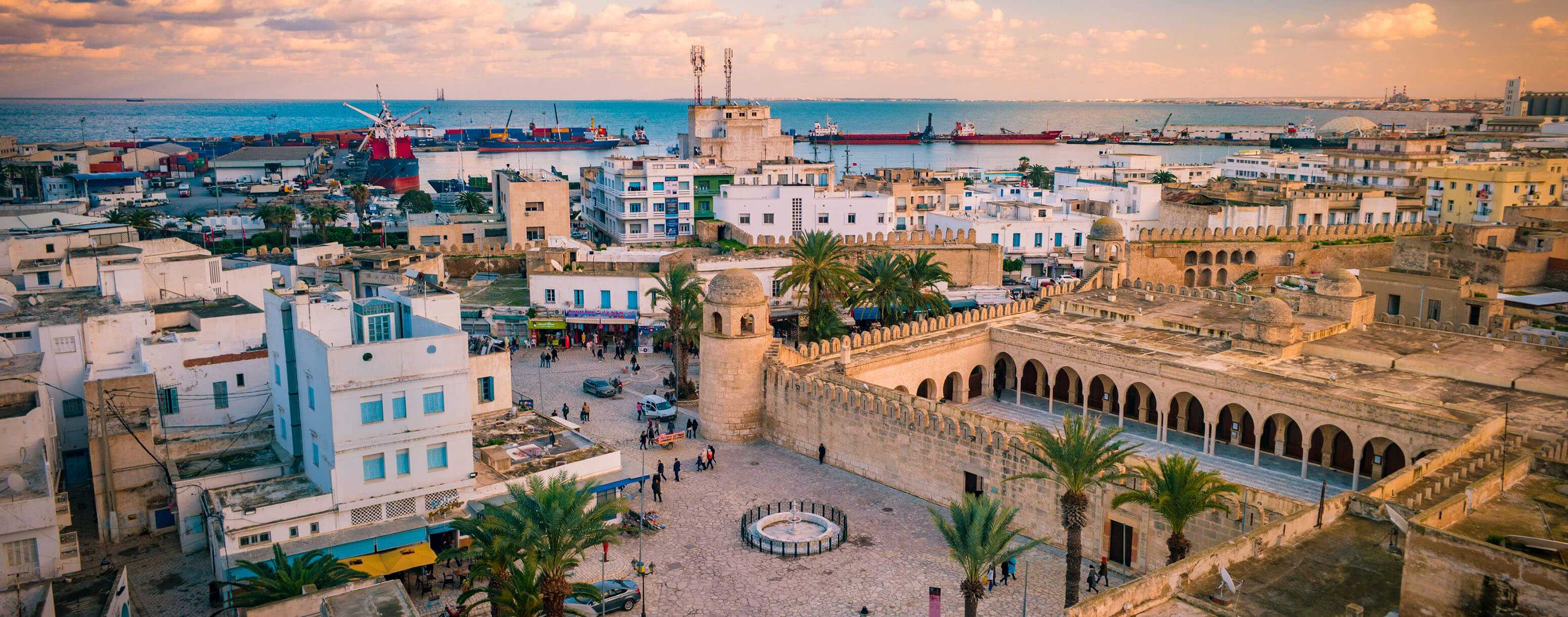
For many visitors, the practical appeal is straightforward: Tunisia can deliver a beach holiday, a cultural city break, and a desert add-on without requiring multiple long-haul trips. Sources on Tunisia travel consistently highlight major destinations such as Tunis, Hammamet, Sousse, Djerba, Carthage, El Jem, and the Sahara gateway towns as the backbone of a well-rounded visit.
- Best seasons: April to May and September to October are repeatedly recommended for balanced weather and lower crowd levels.
- Best for value: Several 2026 travel guides describe Tunisia as cheaper than many Mediterranean alternatives, especially outside peak summer.
- Best for variety: You can combine coast, medina, ruins, and desert in one trip without changing countries.
Tunisia beach: where the coast makes the trip
If your priority is Tunisia beach time, the country’s Mediterranean shoreline is the biggest draw. Resort areas such as Hammamet, Sousse, and Djerba continue to anchor most leisure travel itineraries, and current advisories distinguish these tourism zones from the more sensitive border areas. That is important for beach travelers because it means the safest and most established coastal destinations remain the easiest ones to plan around.
Tunisia’s beach season can be very rewarding, but timing matters. Travel guides for 2026 repeatedly suggest avoiding the hottest stretch of July and August if you want comfortable sightseeing alongside beach days, while spring and autumn are framed as the sweet spot for swimming, coastal walks, and daytime excursions. For many travelers, that means Tunisia beach holidays work best when the coast is part of a broader itinerary rather than the only activity.
The coast also pairs well with short cultural detours. A common Tunisia travel pattern is to base yourself in a beach town and take day trips to medinas, archaeological sites, or local markets. That balance gives you a more complete sense of place than a pure resort stay, while still keeping the beach as the centerpiece.
- Hammamet: Often used as a classic beach base with easy access to tourism services.
- Sousse: Popular for combining coastline, city energy, and historic areas.
- Djerba: Frequently included in beach-first itineraries for its resort feel and island atmosphere.
Tunisia food: what to eat and why it matters
No Tunisia travel guide is complete without food, because Tunisian cuisine is one of the fastest ways to understand the country. Recent guides identify couscous as the national dish and frequently point to ojja, lablabi, and mint tea as everyday essentials in the Tunisian food experience. These dishes matter because they show how local cooking blends spice, simplicity, and regional identity.
Tunisia food is at its best when it is tied to place. Coastal towns often lean into seafood and lighter meals, while inland medinas and city neighborhoods are where travelers are more likely to find classic stews, chickpea-based dishes, and breakfast plates that reflect daily life rather than tourist menus. For travelers who want a more immersive trip, food is not an accessory to Tunisia travel; it is one of the main reasons to go.
The most useful strategy is to treat food exploration as part of the itinerary design. If you are staying on the coast, use the local markets and small restaurants to sample Tunisian dishes between beach sessions. If you are in Tunis or another historic city, make room for lunch in the medina, where the rhythm of the day is shaped by what people actually eat, not just what visitors expect to see.
- Couscous: The most recognized national dish and a useful entry point into Tunisia food.
- Ojja: A tomato-and-egg dish often cited as a typical local meal.
- Lablabi: A chickpea soup that is especially useful for budget-minded travelers and casual meals.
- Mint tea: A classic everyday drink that often appears alongside meals or social visits.
Safety, border areas, and smarter trip planning
The travel picture in 2026 is not all the same across Tunisia. UK guidance says resort areas remain open but warns against parts of the border zones, while recent advice from Canada urges high caution and specifically advises avoiding border areas with Algeria and Libya. Another 2026 travel guide also notes that the main tourist regions are well-policed, but recommends staying on established routes, using reputable transport, and avoiding remote border areas without a guide.
That combination suggests a clear planning approach: keep your Tunisia travel focused on established tourist areas, book accommodation in recognized resort or city zones, and check the latest official advice before leaving. For most visitors, that means the biggest risk reduction comes from location choice, not from avoiding the country entirely.
This matters especially if you are combining a Tunisia beach holiday with inland sightseeing. A beach-first itinerary is easiest to manage when you keep transfers simple and avoid unnecessary detours into areas where government guidance is more cautious. For independent travelers, the safest and most efficient route is usually to build around the most visited corridors and use day trips instead of complex overland driving.
- Stay in major tourist zones: This is the simplest way to align with current guidance.
- Avoid border regions: Especially near Algeria and Libya, where caution is repeatedly emphasized.
- Check local conditions: Protest-related disruptions can affect movement even when destinations remain open.
For travelers who want a balanced trip, the most practical 2026 formula is simple: spend time on the coast, eat broadly, and keep your route within the areas that official advice and recent travel guides continue to describe as open and accessible.
If you are planning your own Tunisia travel itinerary and want more destination ideas, visit tazmall.shop for the next step in your trip planning. This article was researched and written by the AI of aigpt4chat.com.