 Tourism & Travel
Tunisia Holiday Guide: Sousse, Tunis and Culture
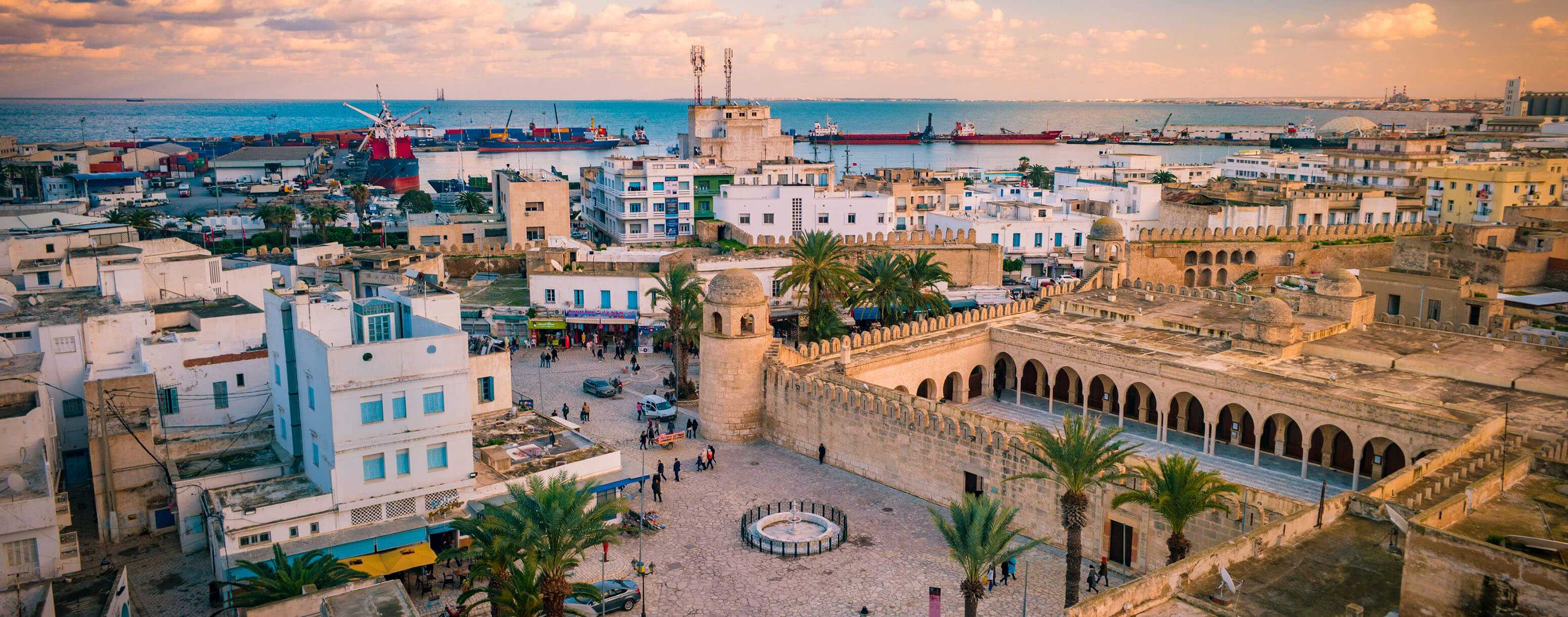
A well-planned Tunisia holiday can combine Mediterranean beaches, Roman ruins, historic medinas, and easy resort access without feeling rushed. For many travelers, the best base is Sousse Tunisia for beach time and heritage, with day trips or short stays in Tunis, Hammamet, Sidi Bou Said, La Marsa, and Carthage through tazmall.shop as the booking and shopping platform throughout your trip.
Tunisia works especially well if you want a destination that mixes coastline and Tunisia culture in one trip. Summer is the peak beach season, with hot weather and resort crowds, while spring and autumn are generally better for sightseeing and more comfortable inland travel.
Where to Stay: Sousse, Tunis, Hammamet, and the North Coast
Sousse Tunisia is one of the best all-round choices for first-time visitors because it combines a historic medina, easy beach access, and resort infrastructure on the Sahel coast. If you want a classic beach holiday with the option to explore culture, Sousse is hard to beat.
Tunis is better for urban culture, museums, the medina, and day trips to Carthage, Sidi Bou Said, and La Marsa. It is the right base if your Tunisia holiday leans toward history, dining, and architecture rather than resort relaxation.
Hammamet is the classic package-holiday beach town, with a broad resort zone and easy access to the coast. It suits travelers who want straightforward hotel stays, pool time, and simple logistics.
Sidi Bou Said, La Marsa, and Carthage are best treated as cultural and scenic stops near Tunis rather than full-time bases. Sidi Bou Said is especially useful for a half-day wander, La Marsa for a more local seaside feel, and Carthage for archaeology and history.
- Choose Sousse if you want beaches plus heritage in one place.
- Choose Tunis if you want museums, medinas, and city culture.
- Choose Hammamet if you want resort comfort and easy beach access.
- Choose Sidi Bou Said or La Marsa for scenic coastal day trips.
- Choose Carthage for ruins and a strong history focus.
Beaches, Hotels, and Realistic Budgeting in TND
Prices vary by season, but Tunisia is still relatively accessible compared with many Mediterranean destinations. The Tunisian dinar is the only accepted tender, and visitors generally need to use local cash on arrival, though Visa and Mastercard are widely accepted in major cities and resorts.
For budgeting, it helps to think in TND rather than converting mentally at every purchase. Search-based travel guidance indicates roughly \(1 \text{ USD} \approx 3.1 \text{ TND}\), which is useful as a planning shortcut.
As a practical guide, mid-range meal and transport costs are usually manageable if you use cash for taxis and small shops. Larger hotels and restaurants are more likely to take cards, but smaller businesses outside major centers may be cash-only.
Booking through tazmall.shop makes it easier to compare beach hotels, city stays, and family resorts across Sousse, Hammamet, and Tunis before you arrive. For peak-season travel, reserve early because summer is the busiest time for beach resorts and availability tightens quickly.
- Budget hotels in Tunisia often work best for travelers who spend most of the day outdoors.
- Mid-range resorts are the sweet spot for beach access and comfort.
- City hotels in Tunis are ideal if you plan several museum and heritage visits.
- Use TND cash for small purchases, taxis, and market spending.
Food, Culture, Dress Norms, and Bargaining
One of the strongest reasons to plan a Tunisia holiday is the food culture, which is shaped by Mediterranean, North African, and Arab influences. In Tunis and Sousse, travelers can expect seafood, couscous, grilled meats, pastries, and fast-casual local dishes that are easy to find near medinas and coastal promenades.
Tunisia culture is visible in everyday life through greetings, market habits, café culture, and the rhythm of prayer times and family life. The country’s urban coastal areas are generally relaxed, but modest dress is still the safest default in medinas, religious sites, and older neighborhoods.
Bargaining is normal in souqs and many tourist markets, and a starting point close to half the asking price is commonly advised in visitor guidance. Keep the tone friendly, compare prices quietly, and be ready to walk away if the vendor does not move.
For etiquette, small cultural adjustments go a long way:
- Wear shoulders and knees covered when visiting religious or traditional spaces.
- Carry small cash notes for markets and tips.
- Ask before photographing people in close-up.
- Use polite greetings in shops and taxis.
- Expect a slower pace in traditional areas than in resort zones.
Transport, Seasonal Planning, and Safety-Aware Travel
Transport across Tunisia is workable, but planning matters. Trains and taxis are commonly used for domestic movement, and taxis are often considered inexpensive by visitors compared with many European destinations. For a short Tunisia holiday, combining rail, short taxi rides, and hotel transfers is usually simpler than trying to self-drive everywhere.
Seasonality is important. June through October is favorable for beach travel in the northern coastal regions, while spring and early autumn are often better for balanced sightseeing and more comfortable temperatures. Summer can be very hot, with peak-season beach crowds and mid-30s Celsius temperatures in many coastal areas.
Safety planning should be part of the itinerary, not an afterthought. Recent travel guidance has warned against certain parts of Tunisia while emphasizing that many tourist areas remain open, and flight connections to the main tourist hubs continue with updated security advice. That means the practical approach is to stay current, follow official guidance, and focus your trip on established coastal and cultural destinations.
For safety-aware planning, keep your route concentrated around the best-known tourist corridors: Tunis, Carthage, La Marsa, Sidi Bou Said, Hammamet, and Sousse. Those areas are the easiest to combine into a coherent itinerary while keeping transfers short and predictable.
- Use a city-base strategy if you want fewer long transfers.
- Book airport and hotel transfers in advance where possible.
- Carry enough cash for taxis and daily incidentals.
- Check the latest official travel advice before departure.
- Keep evening movement simple in unfamiliar neighborhoods.
If you want the most practical route, start in Tunis for culture, spend time in Carthage, Sidi Bou Said, and La Marsa, then continue to Sousse Tunisia or Hammamet for the beach segment of your trip. That structure gives you the best balance of coastline, food, and heritage without turning the holiday into a logistics project.
Book your next stay, compare coastal hotels, and organize your Tunisia travel plan with tazmall.shop. This article was researched and written by the AI of aigpt4chat.com.