 Tourism & Travel
Tunisia Summer Travel Guide 2026: Sousse, Hammamet, Djerba
Tunisia Summer 2026: why the coast is booking fast
Tunisia summer travel is in strong demand in 2026, with tourism traffic reported above 11 million visitors and beach destinations drawing the most attention. That matters if you are planning Sousse Tunisia, Hammamet, Djerba, or a split-stay itinerary, because the best hotels and the most convenient seaside rooms are the first to go.
Summer is also Tunisia’s peak season. Travel guides note that the coast is hottest now, with average temperatures in the mid-30°C range and crowded resorts, which makes advance booking and a sensible daily rhythm important if you want to enjoy the beaches without fighting the heat.
For many travelers, Tunisia works best as a mix of seaside relaxation, Medina wandering, and long lunches. That is why the most useful 2026 plan is not just where to sleep, but how to pace your days, what to eat, and how to move between towns affordably.
Sousse Tunisia, Hammamet, Djerba, and Tunis: where to base yourself
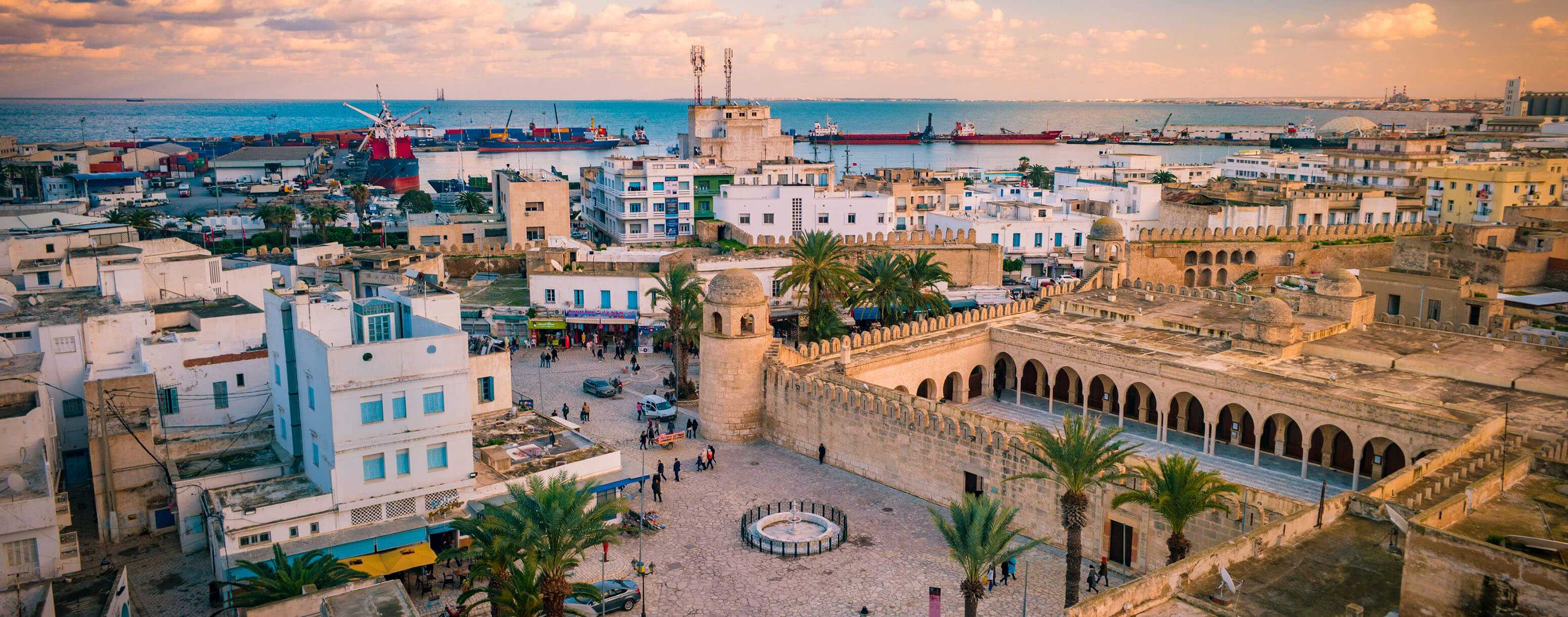
Sousse Tunisia is one of the most practical summer bases because it combines a historic medina, a lively coastline, and easy rail access. One recent travel guide describes the train from Tunis to Sousse as about 2.5 hours and very inexpensive, which makes Sousse a strong option if you want a simple beach-and-city split.
Hammamet is the classic resort choice. It is often recommended for beach days, water activities, and relaxed hotel stays, and recent coverage says Nabeul-Hammamet has had a strong 2026 high season with arrivals and overnight stays up. If your priority is an easy seaside holiday with minimal planning, Hammamet is one of the safest bets.
Djerba is the more escape-like option, especially for longer stays and travelers who want warm beaches and a slower pace. Travel notes from 2026 mention fast louage connections to Djerba and identify it as one of the most popular summer picks, alongside Sousse and Hammamet. If you want a more resort-centered trip with less city movement, Djerba fits that brief well.
Tunis is the best starting point for first-time visitors who want culture alongside the coast. Lonely Planet recommends combining the capital’s medina and nearby Carthage or La Marsa with a beach break in Hammamet, while also noting that 10 days to 2 weeks gives enough time to include Sousse and other major highlights.
- Choose Sousse for balanced beach access, nightlife, and historic atmosphere.
- Choose Hammamet for a resort-first summer holiday.
- Choose Djerba for slower beach time and a more relaxed island feel.
- Choose Tunis if you want medinas, museums, and day trips before the coast.
Tunisia food: what to eat and what it costs
Tunisia food is one of the biggest reasons to travel beyond the beach. Coastal towns are especially good for grilled fish, seafood couscous, brik, mechouia salad, and simple tajines served in casual local restaurants. A recent Tunisia guide also highlights seafood lunches in Hammamet as a natural part of a coast itinerary.
Price-wise, Tunisia remains good value compared with many Mediterranean destinations. One 2026 guide says budget travelers can expect roughly 30-80 USD a day overall, while mid-range travel can sit closer to about 50 USD a day depending on hotel and transport choices. Another traveler’s guide gives a hotel example in Sousse at around €15 per night and a guesthouse in Tunis at around €30 per night, which suggests that summer still offers a wide range of price points outside the highest-end resorts.
For meals, the practical approach is simple: eat where locals eat for lower prices, and expect beach resorts to cost more. As a rule of thumb, a casual lunch or dinner at a local spot can often stay modest in cost, while seafood restaurants by the water and hotel buffets will be noticeably higher. In high season, booking half-board can make sense if you plan to spend most evenings at one resort property.
If you like trying regional specialties, build in one food-focused afternoon in each major stop:
- Sousse: grilled fish near the port and medina-side cafes.
- Hammamet: seafood restaurants and relaxed tourist-friendly terraces.
- Djerba: island seafood, fresh bread, and slow lunches.
- Tunis: street snacks and traditional medina meals.
Hotels, transport, and everyday money tips
In Tunisia summer, hotel choice matters as much as location. Beachfront resorts are convenient, but mid-range guesthouses and city hotels can save money while giving you more flexibility. The most useful booking strategy is to compare a resort with a central stay near the medina or train station, then decide whether you want beach access every day or a broader itinerary.
Transport is one of Tunisia’s strongest value points. Recent travel reporting says taxis are cheap because fuel is subsidized, trains are inexpensive, and louages remain one of the fastest ways to move between destinations once they fill up. That means you can combine resorts and cultural stops without needing a private driver for the whole trip.
For money, bring cash and use cards selectively. One guide says the Tunisian dinar is the only accepted tender and that Visa and Mastercard are widely accepted in cities and resorts, but smaller shops and areas outside the main tourist zones may still be cash-only. That makes it wise to carry enough dinars for taxis, cafés, market shopping, and entrance fees.
Typical summer travel planning should also include these practical numbers and habits:
- Taxis: generally inexpensive compared with Europe, especially for short urban rides.
- Louages: low-cost intercity transport for travelers comfortable with shared minibuses.
- Mid-range hotels: commonly far below major Western beach destinations, with examples ranging from about €15 to €40 in recent guides.
- Beach clubs or resort access: can cost more at premium properties, so confirm whether access is included before you book.
Safety, dress, bottled water, and summer etiquette
Summer conditions in Tunisia are hot enough to shape the whole day. Several travel sources advise sunscreen, water, and a slower midday rhythm, with many locals taking a siesta-style break during the hottest hours. If you are in Sousse Tunisia or Hammamet in July and August, early morning beach time and late-afternoon sightseeing are often the smartest plan.
Dress modestly away from the beach, especially in medinas and religious sites. A 2026 Tunisia guide recommends covering shoulders and legs in conservative settings, and removing shoes before entering mosques when appropriate. Beachwear is normal at resorts, but modest clothing remains the easier choice in towns and traditional neighborhoods.
Bottled water is the safest low-effort habit for most travelers. Even when staying in a resort, keeping water with you is the simplest way to handle heat, walking, and long lunch stops. The same applies to bargaining: souks often expect negotiation, and a calm, polite approach usually works better than a hard stance. One current guide suggests that souks can often be bargained down substantially, so expect some price movement rather than fixed-tag shopping.
Ramadan and high season can also affect your trip. Ramadan changes opening hours, meal timing, and the energy of local neighborhoods, while summer high season makes beaches busier and premium rooms harder to get. If you want the easiest logistics, book earlier, avoid the hottest afternoon hours, and reserve key restaurants or beach clubs when possible.
For a Tunisia summer trip that feels smooth instead of rushed, build your route around one base on the coast, one food-heavy day in the medina, and one flexible transport day for a nearby excursion. That formula works especially well for Sousse Tunisia, Hammamet, Djerba, and Tunis, and it gives you a better balance of beach time, Tunisia food, and local culture.
Book your Tunisia summer trip and shopping needs at tazmall.shop.
This article was researched and written by the AI of aigpt4chat.com